
For travelers, travel agents, and anyone planning international trips, understanding these changes can save you from costly booking mistakes and help you pivot your travel plans effectively.
We’ll explore the specific reasons behind each tourist visa ban, from security concerns to infrastructure challenges that forced these nations to suspend tourism entirely. You’ll also discover practical strategies for adapting your 2024 travel itinerary and finding alternative destinations that welcome visitors with open arms.
The countries closed to tourists span different continents and represent various political and economic situations, making this a truly global phenomenon that’s reshaping international travel patterns.
Understanding the 2024 Tourist Visa Ban Trend
Political tensions driving visa restrictions
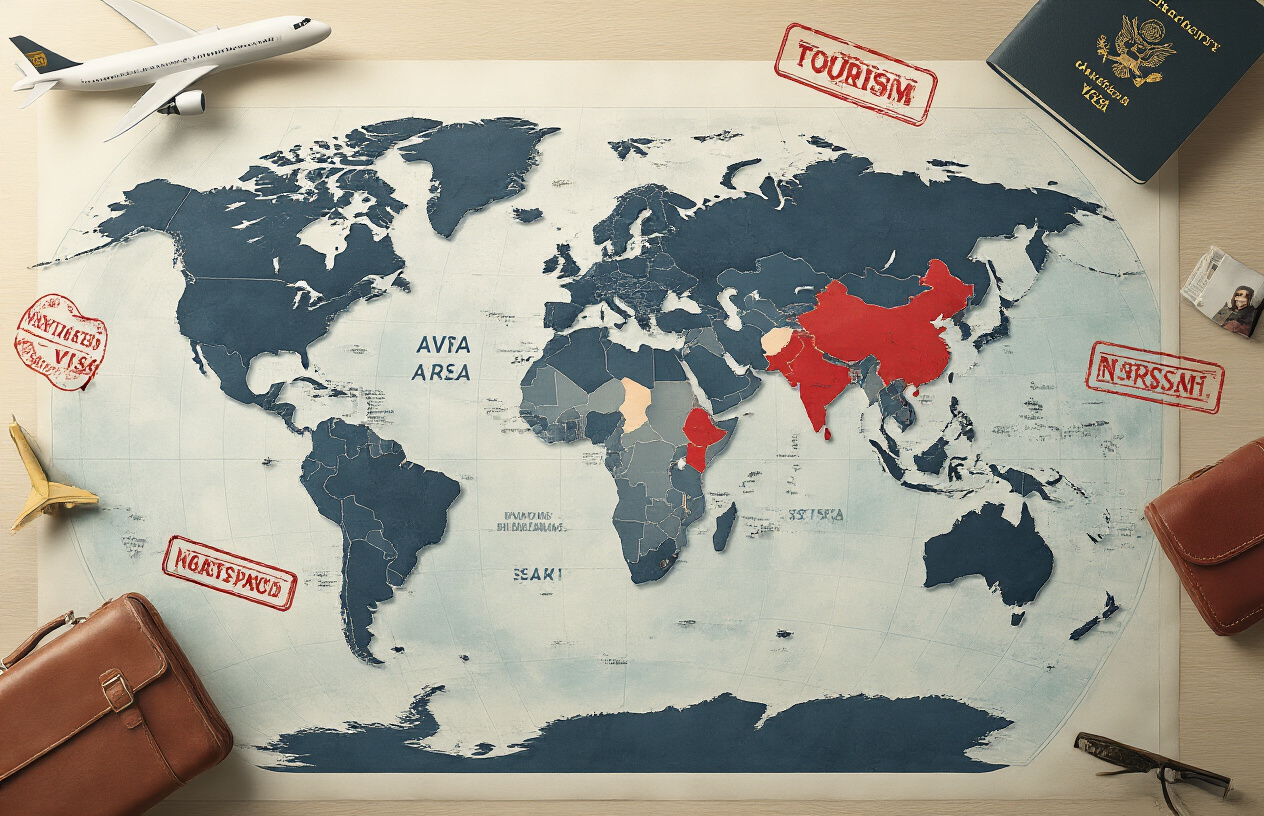
The global political landscape has dramatically shifted in 2024, creating ripple effects that reach far beyond diplomatic circles into the world of international tourism. Countries banning tourist visas 2024 reflects a broader pattern of nations prioritizing political sovereignty over tourism revenue.
Several countries have implemented tourist visa bans 2024 as direct responses to international sanctions, diplomatic disputes, and geopolitical realignments. Russia’s decision to suspend tourist visa processing stems largely from ongoing international tensions and retaliatory measures against Western sanctions. The country’s tourism ministry cited “unfriendly actions” from certain nations as justification for restricting visitor access.
Myanmar’s military government has used tourism restrictions as both a tool of internal control and external defiance. The junta views travel restrictions 2024 as a way to limit international oversight while maintaining tighter control over information flow. Foreign tourists represent potential witnesses to internal conditions, making their exclusion politically advantageous for authoritarian regimes.
North Korea’s extended border closure continues a pattern of using tourism policy as diplomatic leverage. The hermit kingdom has historically manipulated visitor access based on international relations, and 2024’s visa suspension 2024 serves multiple political purposes: demonstrating self-reliance, controlling narrative exposure, and pressuring other nations through economic isolation.
These political motivations often supersede economic considerations, with governments willing to sacrifice tourism revenue to maintain political positioning or respond to perceived international threats.
Economic factors influencing travel policies
Economic instability has become a driving force behind countries closed to tourists in 2024. Nations experiencing currency crises, inflation, or resource scarcity often view tourism restriction as a protective measure rather than a punitive one.
Afghanistan’s tourism infrastructure collapse represents the most extreme example of economic factors determining access policies. The Taliban government lacks the financial resources to maintain basic tourism infrastructure, from airport operations to visa processing systems. The economic cost of supporting international visitors has become prohibitive when compared to pressing domestic needs.
Yemen’s ongoing economic crisis has made tourism closure 2024 an unfortunate necessity. The country’s foreign exchange reserves have dwindled, making it impossible to maintain consular services abroad or provide basic visitor services domestically. Tourism requires significant infrastructure investment that many economically struggling nations simply cannot afford.
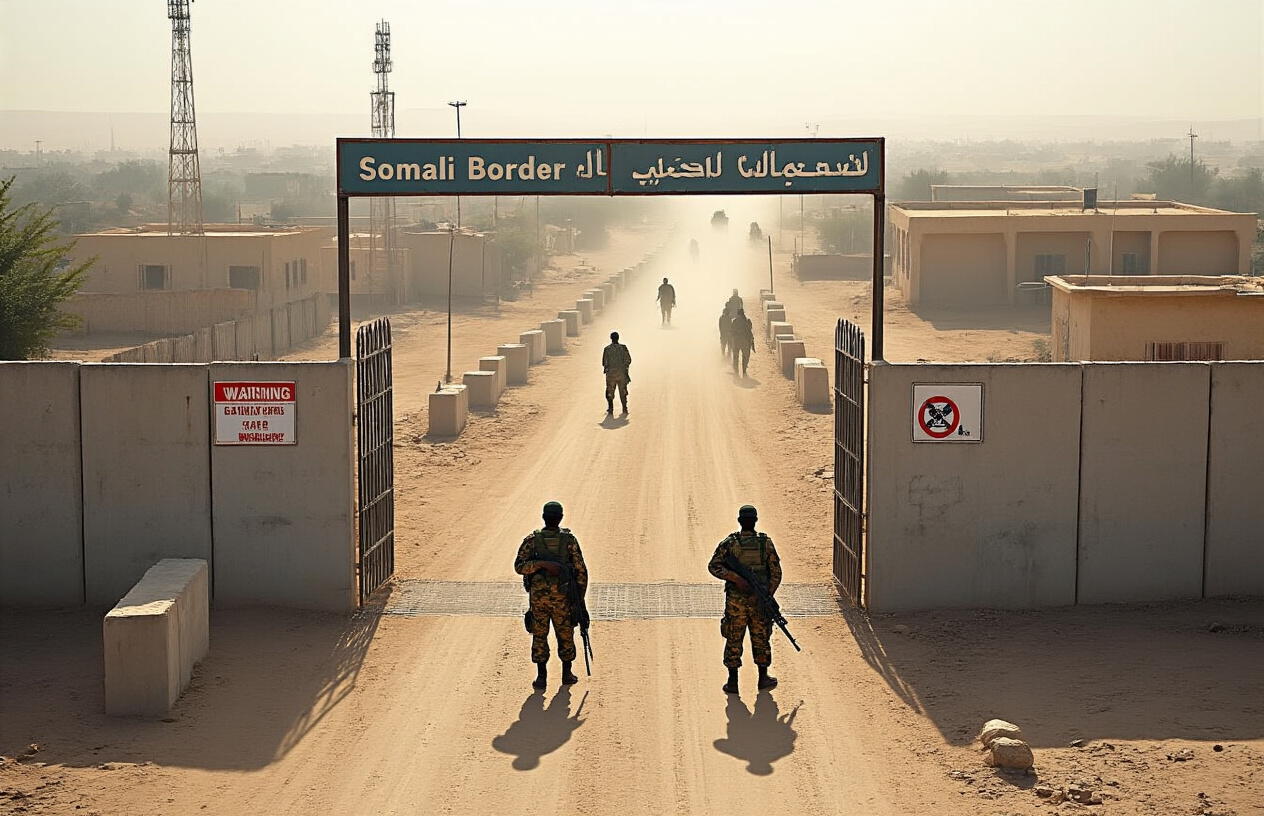
Somalia faces similar economic constraints, where travel bans by country reflect resource allocation priorities. The government has redirected funds from tourism promotion and visa processing toward essential services like healthcare and security. When nations struggle to provide basic services to their own citizens, international tourism becomes a luxury they cannot support.
Currency instability also plays a role in these decisions. Countries experiencing rapid devaluation often prefer to limit foreign exchange transactions, including those related to tourism, to stabilize their monetary systems.
Security concerns shaping border controls
Security considerations have become paramount in shaping international travel restrictions 2024. Nations facing internal conflicts, terrorism threats, or border security challenges view tourist access as a potential security vulnerability that outweighs economic benefits.
Somalia’s security-based visa suspension reflects genuine concerns about visitor safety and national security. The country continues to battle Al-Shabaab insurgents, making it nearly impossible to guarantee tourist safety. Government resources are stretched thin managing internal security, leaving little capacity for tourism security infrastructure.
Yemen’s conflict-related restrictions stem from active warfare that makes tourist travel not just inadvisable but practically impossible. The ongoing civil war has created restricted travel destinations where government control remains limited or contested. Tourism requires stable security environments that these nations simply cannot provide.
Afghanistan presents a complex security landscape where the Taliban government lacks international recognition and faces ongoing resistance movements. Tourist entry bans serve as protective measures for both visitors and the government, which cannot guarantee safety or provide emergency services to foreign nationals.
Myanmar’s security concerns extend beyond internal conflict to include international scrutiny. The military government views foreign visitors as potential security risks who might document human rights violations or support opposition movements. This paranoia has transformed tourism from an economic opportunity into a perceived security threat.
These security-driven policies often become self-perpetuating cycles, where isolation leads to increased instability, which justifies continued restrictions on international access.
Russia’s Complete Tourism Suspension
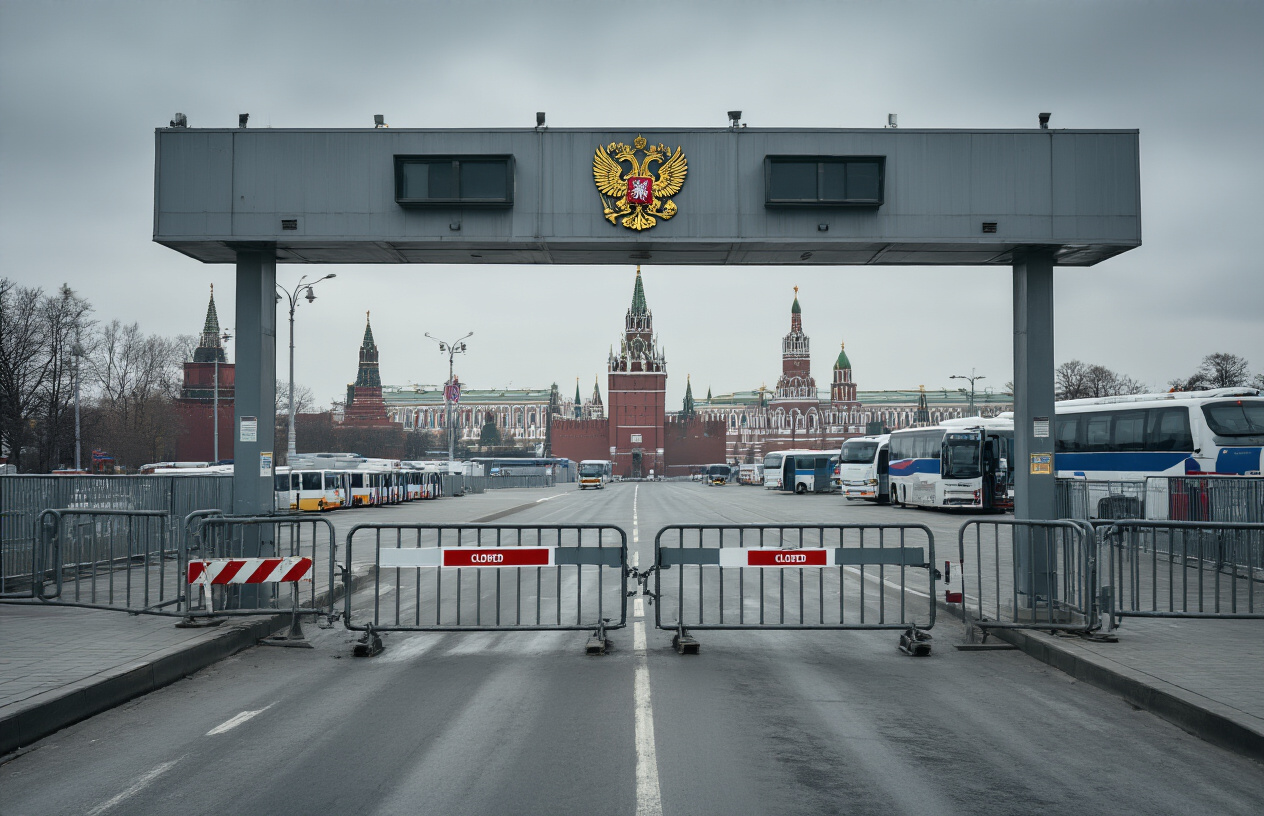
Russia’s tourism suspension in 2024 has effectively shut down access to some of the world’s most iconic destinations. Moscow’s Red Square, the Kremlin, and the Bolshoi Theatre now sit largely empty of international visitors, while St. Petersburg’s Hermitage Museum and stunning architecture along the Neva River remain off-limits to casual tourists.
The economic impact has been substantial for Russia’s tourism industry, which previously welcomed over 24 million international visitors annually. Popular tourist circuits that once connected Moscow’s historical sites with St. Petersburg’s imperial grandeur have ceased operations. Hotels in both cities report occupancy rates dropping by over 85% compared to pre-ban levels.
Tour operators who specialized in Trans-Siberian Railway experiences, Kremlin tours, and White Nights festivals in St. Petersburg have either suspended operations entirely or pivoted to domestic tourism. The ripple effect extends beyond major cities to smaller destinations like the Golden Ring towns, Sochi’s Black Sea resorts, and even remote locations like Kamchatka Peninsula that attracted adventure tourists.
Cultural exchanges have ground to a halt, affecting everything from art exhibitions to music performances that previously drew international audiences. The Mariinsky Theatre in St. Petersburg and Moscow’s renowned concert halls now primarily serve local audiences, fundamentally changing the cultural landscape of these cities.
Alternative visa categories still available
While tourist visas remain suspended, Russia maintains several alternative visa pathways for specific purposes. Business visas continue processing for legitimate commercial activities, though applicants face enhanced scrutiny and longer processing times. These visas require official invitations from registered Russian companies and detailed documentation of business relationships.
Student visas remain operational for those enrolled in recognized Russian educational institutions, though the application process has become more complex. Exchange programs and academic partnerships continue, albeit with reduced participation due to geopolitical tensions and safety concerns.
Diplomatic and official visas function normally for government representatives and international organization staff. Journalist visas are still issued but require extensive documentation and face significant processing delays.
Transit visas for travelers passing through Russian airports to third countries remain available for stays under 24 hours. Some airlines have adjusted routes to avoid requiring these visas altogether.
Family reunification visas allow foreign nationals married to Russian citizens or those with immediate family members in Russia to enter the country. However, these applications require extensive documentation and can take several months to process.
Work visas continue for skilled professionals in essential sectors, particularly technology, healthcare, and engineering fields where Russia faces labor shortages.
Timeline for potential policy reversal
Russian officials have provided no concrete timeline for lifting the tourist visa suspension, making travel planning extremely challenging. Government statements suggest the policy ties directly to broader geopolitical conditions and international relations, indicating reversals depend on factors beyond tourism considerations alone.
Industry experts estimate that even if political conditions improve, rebuilding tourism infrastructure and international confidence could take 12-18 months minimum. Airlines would need to restore routes, hotels would require time to rehire and retrain staff, and tour operators would need to rebuild international partnerships.
Some analysts suggest partial reopenings might begin with neighboring countries or nations maintaining neutral political stances. However, comprehensive restoration of tourist visa processing for Western countries appears unlikely in the near term.
Travel industry insiders recommend monitoring official announcements from the Russian Ministry of Foreign Affairs and major diplomatic developments. Early indicators of policy shifts might include statements about cultural exchange programs or announcements regarding international sporting events and exhibitions.
The suspension represents one of the most significant travel restrictions implemented by a major destination country in recent decades, fundamentally altering global tourism patterns and forcing travelers to reconsider alternative destinations for cultural and historical experiences.
Myanmar’s Indefinite Tourist Entry Halt
Political Instability Affecting Visitor Safety
Myanmar’s military coup in February 2021 sparked a chain reaction that led to the country’s complete suspension of tourist visas throughout 2024. The ongoing civil unrest creates unpredictable dangers for foreign visitors, with armed conflicts erupting in multiple regions including Rakhine, Kayin, and Shan states. Military checkpoints now control major transportation routes, making travel between cities extremely hazardous.
The junta’s violent crackdown on pro-democracy protesters has resulted in thousands of civilian casualties and arbitrary detentions. Foreign nationals face the risk of being caught in crossfire or becoming targets due to their perceived association with international criticism of the regime. Several diplomatic missions have evacuated non-essential personnel, highlighting the severity of the security situation.
Communication networks remain severely disrupted, with internet blackouts common in conflict zones. Cell phone service cuts off without warning, leaving travelers unable to contact emergency services or their embassies. Banking systems operate sporadically, creating additional challenges for visitors who might need emergency funds or medical assistance.
The military government’s unpredictable policies mean that foreign nationals could face sudden detention or expulsion. Recent incidents involving international journalists and aid workers demonstrate how quickly situations can escalate. Travel insurance companies have either suspended coverage for Myanmar or significantly increased premiums due to the elevated risk levels.
Cultural Site Accessibility Restrictions
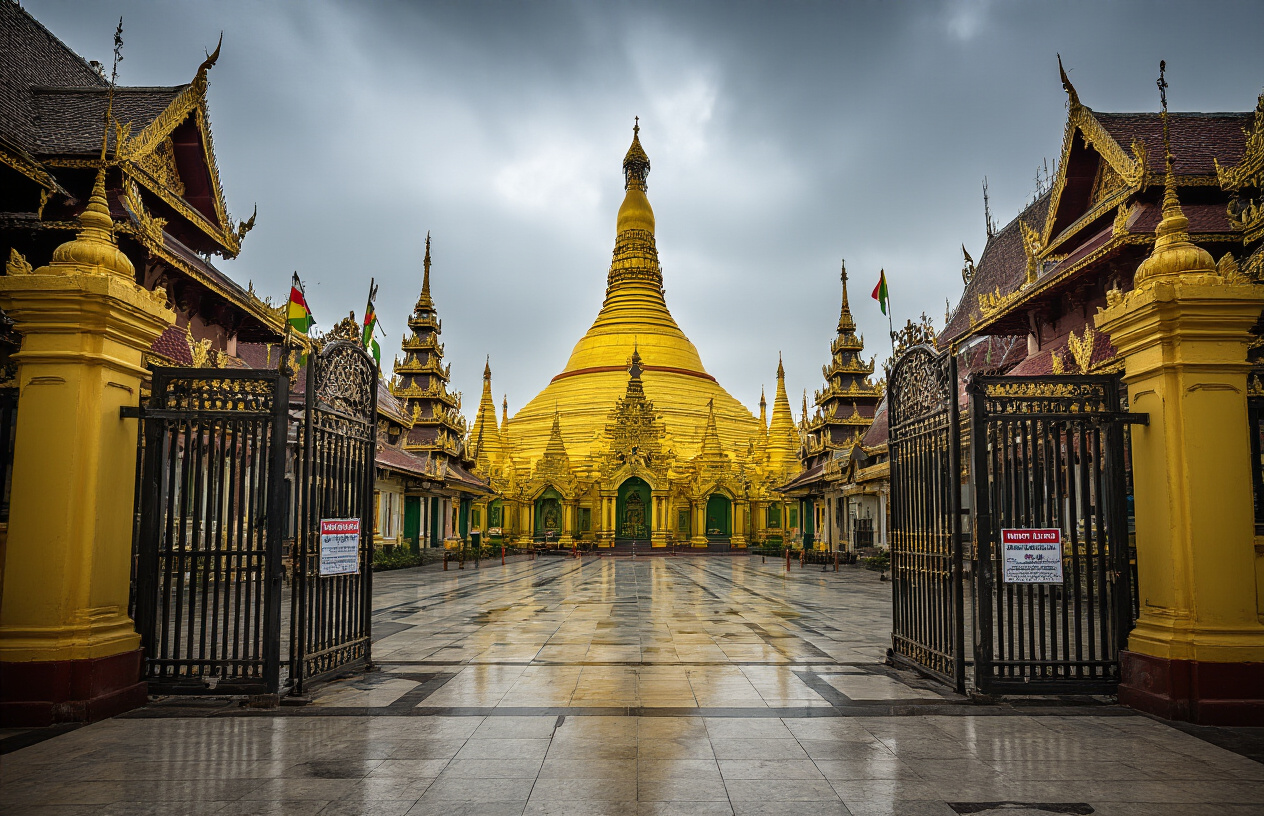
Ancient temples in Bagan, once Myanmar’s crown jewel for tourism, now sit largely empty behind military cordons. Many archaeological sites have become off-limits due to their proximity to conflict zones or their use as military staging areas. The famous Shwedagon Pagoda in Yangon remains accessible to locals but international visitor access remains suspended as part of the broader tourism closure 2024 measures.
Transportation infrastructure connecting major cultural sites has deteriorated significantly. Domestic flights operate on limited schedules, with routes to popular destinations like Mandalay and Inle Lake frequently canceled due to security concerns. Road travel to remote cultural sites requires military permits that are no longer issued to foreign nationals.
Local tour operators and cultural guides have either fled the country or stopped working due to safety concerns. The absence of trained professionals means that even if sites were accessible, visitors would lack proper guidance to understand the cultural significance of Myanmar’s rich heritage. Many smaller temples and monasteries have closed their doors to all visitors as monks focus on providing humanitarian aid to displaced populations.
The destruction of cultural artifacts during military raids has devastated Myanmar’s cultural landscape. UNESCO World Heritage sites face ongoing threats from both direct conflict and neglect due to the absence of conservation efforts. Traditional craft workshops in places like Mandalay have shut down, eliminating opportunities for cultural exchange that once attracted visitors.
Humanitarian Considerations for Travelers
The humanitarian crisis in Myanmar makes tourism ethically problematic even if travel restrictions 2024 were lifted tomorrow. Over one million people have been internally displaced since the coup, creating massive refugee camps with limited access to basic necessities. Foreign visitors would compete for scarce resources like food, fuel, and medical supplies that desperate locals desperately need.
Medical facilities operate at minimal capacity, with many doctors and nurses either imprisoned or forced to flee. International medical supplies face severe import restrictions, leaving hospitals unable to treat basic injuries or illnesses. Any foreign national requiring emergency medical care would strain an already overwhelmed healthcare system.
The economic impact of continued isolation hits ordinary citizens hardest, as they lose income from tourism-related jobs. Hotel staff, restaurant workers, and artisans who once depended on international visitors now struggle to survive. Sending money to Myanmar through official channels has become nearly impossible due to international sanctions and banking restrictions.
International aid organizations operate under severe constraints, with their movements monitored and activities restricted by military authorities. The presence of casual tourists could complicate humanitarian operations and potentially endanger aid workers who rely on maintaining low profiles to continue their essential work.
Human rights organizations strongly advise against any non-essential travel to Myanmar, emphasizing that tourism revenue could inadvertently support the military regime. The complex political situation means that even well-intentioned visitors might unknowingly contribute to systems that perpetuate human rights violations.
Afghanistan’s Tourism Infrastructure Collapse
Security Risks for International Visitors
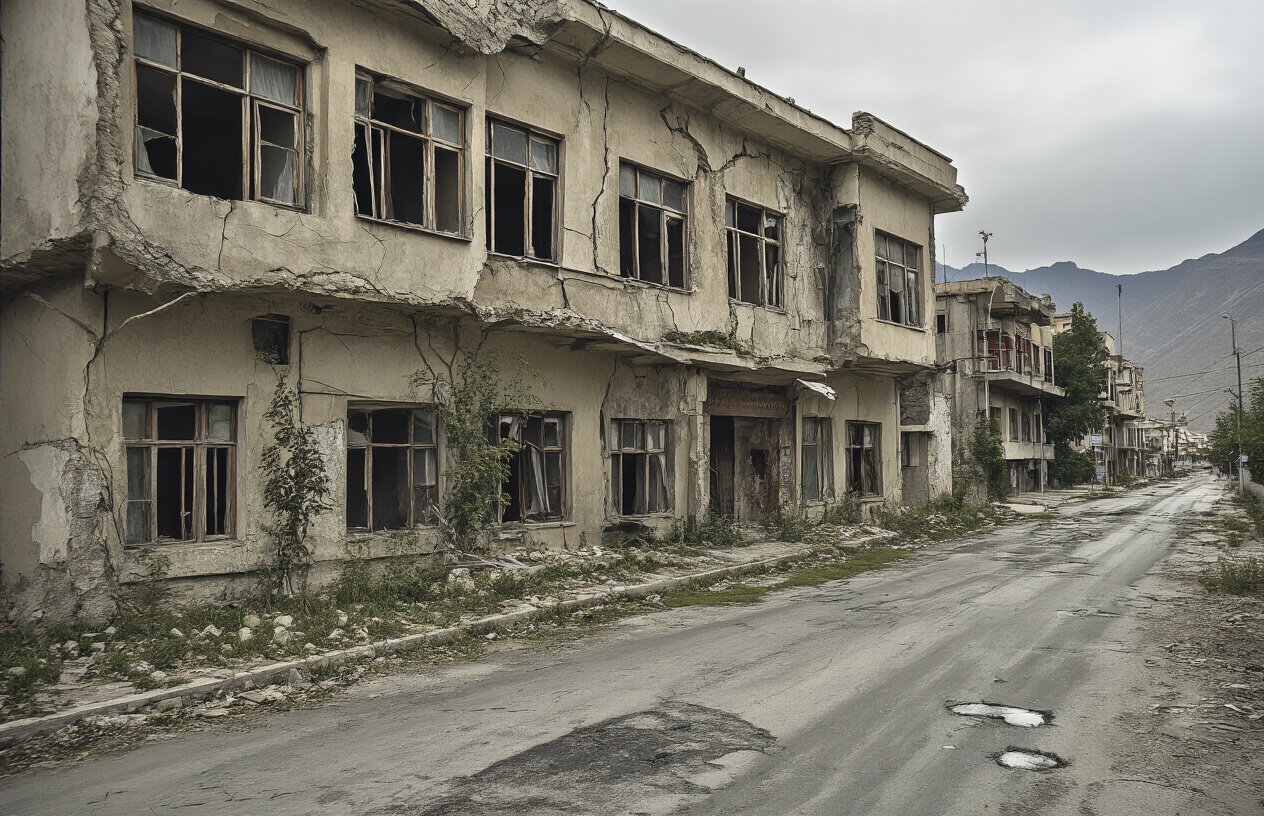
Afghanistan presents unprecedented dangers for international tourists following the Taliban’s return to power in August 2021. The security situation has deteriorated dramatically, making the country one of the most hazardous destinations globally. Armed conflicts occur regularly across all provinces, with improvised explosive devices (IEDs), suicide bombings, and targeted attacks becoming commonplace events that affect both locals and foreigners.
The threat landscape includes kidnapping risks targeting Western nationals, who are often viewed as valuable hostages for ransom or political leverage. Criminal groups and terrorist organizations operate with near impunity in many regions, creating an environment where tourist safety cannot be guaranteed. Road travel between major cities involves significant risks, with checkpoints controlled by various armed groups and frequent incidents of highway robbery.
Women travelers face additional severe restrictions under Taliban rule, including mandatory male guardianship requirements, dress codes, and limitations on movement and accommodation options. These restrictions effectively eliminate Afghanistan as a viable tourist destination for female travelers, regardless of visa availability.
International embassies have drastically reduced their staff or closed entirely, leaving tourists with minimal emergency support. The security environment makes it nearly impossible for diplomatic missions to provide standard consular services or emergency assistance to their nationals in distress.
Limited Embassy and Consular Services
The collapse of Afghanistan’s tourism infrastructure extends beyond physical security to include the virtual elimination of diplomatic support systems. Most Western embassies evacuated their staff during the August 2021 withdrawal, leaving tourists without access to essential consular services that travelers typically rely on during emergencies.
Countries that previously maintained robust embassy operations in Kabul now operate their Afghan affairs from neighboring countries like Pakistan, Qatar, or Turkey. This geographical separation creates massive delays in processing emergency documents, medical evacuations, or legal assistance for any tourists who might enter the country.
Visa processing has become an administrative nightmare, with many countries unable to verify the legitimacy of Taliban-issued documents or travel permits. The lack of recognized diplomatic relations between most nations and the Taliban government creates a legal gray area that complicates travel documentation and emergency repatriation procedures.
Travel insurance companies have universally excluded Afghanistan from coverage, meaning tourists would bear full financial responsibility for medical emergencies, evacuation costs, or security incidents. Banking systems remain largely disconnected from international networks, making financial transactions extremely difficult for foreign visitors.
Cultural Heritage Site Closures
Afghanistan’s rich cultural heritage sites, once major tourist attractions, have suffered extensive damage and closure since 2021. The Taliban’s controversial policies regarding cultural preservation have raised serious concerns about the fate of UNESCO World Heritage sites and other historically significant locations.
The Band-e-Amir National Park, Afghanistan’s first national park and a stunning series of deep blue lakes, remains effectively closed to international tourism due to security concerns and lack of proper infrastructure maintenance. The site’s tourism facilities have deteriorated without regular upkeep and international investment.
Archaeological sites like the ancient city of Balkh and the Minaret of Jam face uncertain futures under current management. International archaeological missions have suspended operations, leaving these sites vulnerable to looting and environmental degradation. The expertise and funding provided by foreign archaeological teams are no longer available to maintain these irreplaceable cultural treasures.
Museums across the country have either closed or operate with severely limited capacity. The National Museum of Afghanistan in Kabul, which previously showcased the country’s rich history spanning thousands of years, struggles with staffing and preservation challenges. Many artifacts risk deterioration without proper climate control and professional conservation efforts that international partnerships previously supported.
The famous Buddha niches in Bamiyan, already destroyed by the previous Taliban regime, serve as a stark reminder of the risks facing Afghanistan’s cultural heritage. Current restrictions on international cultural preservation efforts mean that remaining sites lack the protection and maintenance they desperately need to survive for future generations.
North Korea’s Extended Border Closure
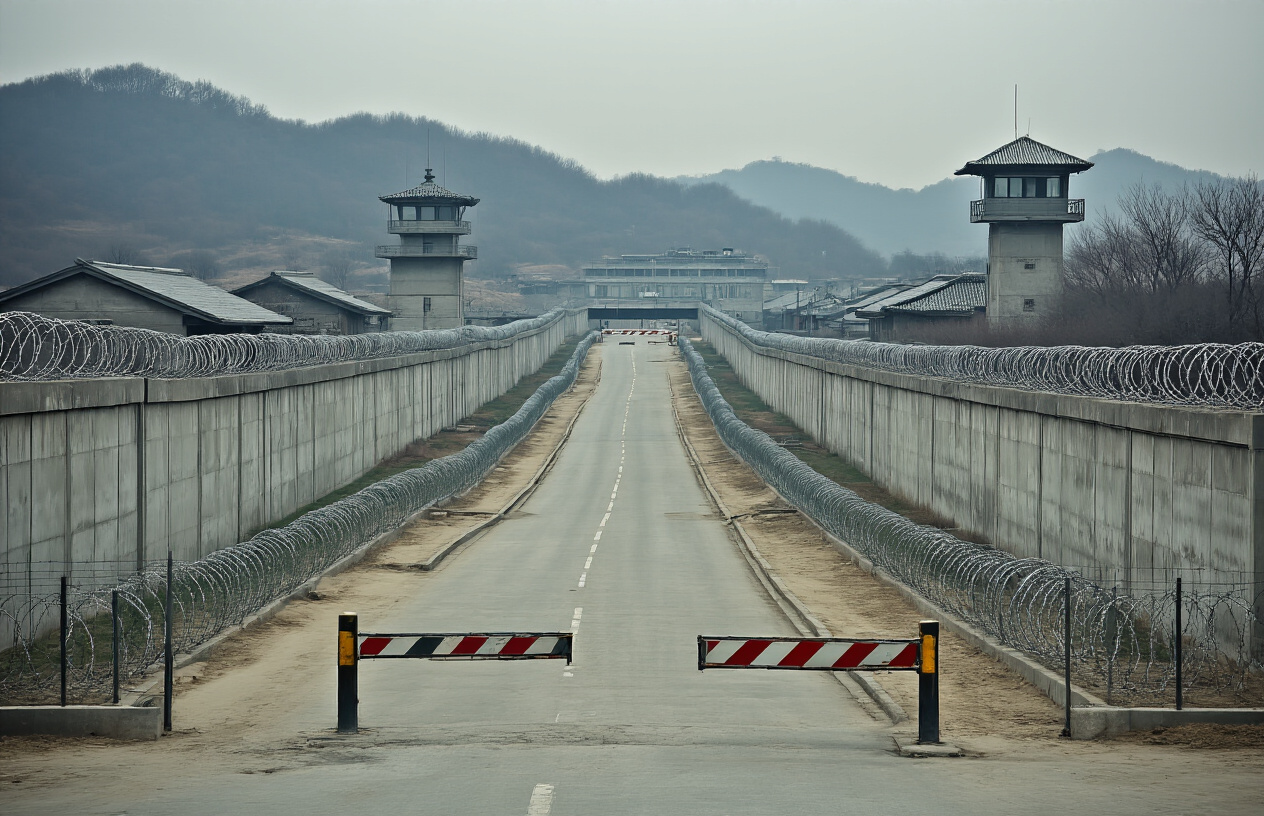
North Korea’s approach to tourist visa bans 2024 represents one of the most extreme examples of pandemic-driven border control. The Democratic People’s Republic of Korea (DPRK) sealed its borders in January 2020 and has shown no signs of reopening to international tourists throughout 2024. Unlike other nations that gradually relaxed restrictions, North Korea has maintained its zero-COVID policy with unwavering determination.
The country’s leadership views tourism as a potential vector for disease transmission, making any relaxation of travel restrictions 2024 virtually impossible. Even diplomatic missions face severe limitations when attempting to enter the country. The few foreigners who remain in North Korea, including embassy staff and humanitarian workers, operate under strict quarantine protocols that can last weeks or even months.
What makes North Korea’s situation unique among countries closed to tourists is the complete absence of any timeline for reopening. While other nations provide provisional dates or conditions for lifting restrictions, North Korean authorities have remained silent about future tourism prospects. The government’s official media outlets continue to emphasize the importance of maintaining “fortress-like” defenses against external contamination.
The impact on the country’s limited tourism infrastructure has been devastating. Hotels in Pyongyang and other designated tourist areas remain largely empty, with staff reassigned to other duties. The iconic Arirang Mass Games, previously a major tourist attraction, have been cancelled indefinitely. Even the annual pilgrimages to significant sites like Mount Paektu have been suspended for foreign visitors.
Diplomatic Tour Operator Restrictions
International tour operators who previously facilitated visits to North Korea face unprecedented challenges in 2024. Companies that specialized in DPRK tourism have had to completely restructure their business models or cease operations entirely. The handful of approved foreign tour operators that maintained relationships with North Korean authorities before the pandemic now find themselves with no clear path forward.
Beijing-based tour companies, which traditionally served as the primary gateway for Western tourists entering North Korea, report zero bookings for DPRK destinations throughout 2024. These operators previously managed everything from visa applications to guided tours, but the current visa suspension 2024 has left them without any viable products to offer their clients.
The Chinese border crossing at Dandong, once bustling with tourist groups heading to North Korea, remains virtually abandoned for leisure travel. While some limited trade continues, the tourist buses that once regularly crossed the Friendship Bridge are nowhere to be seen. Tour operators who invested heavily in North Korean tourism infrastructure face significant financial losses with no immediate prospect of recovery.
Even diplomatic tourism, such as educational exchanges or cultural visits organized by embassies, faces severe restrictions. Foreign missions must navigate complex approval processes that can take months, and many requests are simply denied without explanation. The few approved visits require extensive health documentation and quarantine periods that make short-term tourism practically impossible.
Special Economic Zone Limitations
North Korea’s special economic zones, designed to attract foreign investment and limited tourism, have effectively shut down their tourism components in 2024. The Rason Special Economic Zone, which previously allowed some Chinese tourists to visit without full North Korean visas, suspended all tourist activities. This area, located near the Chinese and Russian borders, had been one of the few places where foreigners could experience North Korea with relatively relaxed restrictions.
The Kaesong Industrial Complex area, while primarily focused on manufacturing, also hosted some tourism activities that are now completely halted. Even business travelers who might have combined work visits with limited sightseeing find themselves unable to enter these zones under current policies.
Mount Kumgang, the scenic area that once hosted South Korean tourists under special arrangements, remains off-limits to all foreign visitors. The resort facilities built for international guests stand empty, representing millions of dollars in stranded tourism infrastructure. The suspension of activities in these zones demonstrates how North Korea’s international travel restrictions 2024 extend beyond typical border controls to affect even specially designated areas that previously operated under different rules.
Yemen’s Conflict-Related Travel Ban
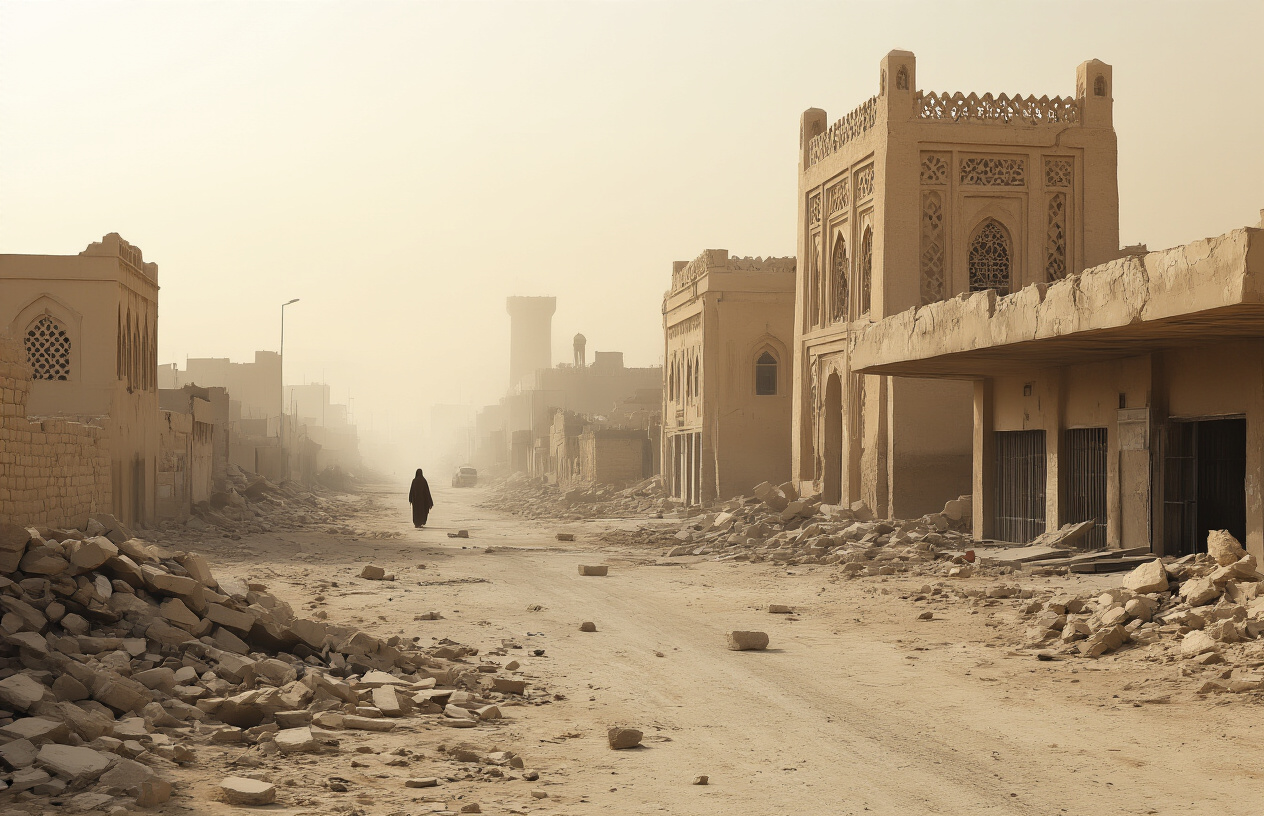
Yemen’s ongoing civil war has transformed the country into one of the world’s most dangerous destinations for tourists. The conflict, which began in 2014, involves multiple factions including the internationally recognized government, Houthi rebels, and various militia groups. This has created a security nightmare that makes traditional tourism impossible.
The capital city of Sanaa, once a UNESCO World Heritage site that attracted cultural enthusiasts, now sits under Houthi control with frequent airstrikes and ground battles. The southern port city of Aden, despite being the temporary seat of the recognized government, experiences regular bombings and assassinations. Even historically peaceful areas like Socotra Island face unpredictable security situations.
Current conflict zones include:
-
Northern governorates under Houthi control
-
Strategic coastal areas along the Red Sea
-
Oil-rich eastern provinces with tribal conflicts
-
Border regions with Saudi Arabia experiencing cross-border attacks
The humanitarian crisis has reached catastrophic levels, with over 4.5 million people internally displaced. Hotels that once welcomed visitors now serve as shelters for displaced families or stand abandoned. Tourist infrastructure has either been destroyed by bombing or repurposed for military use.
International airline service suspension
Commercial aviation to Yemen has ground to a virtual halt, making the travel restrictions 2024 particularly severe. Sanaa International Airport, the country’s primary gateway, remains under a de facto blockade with only limited humanitarian flights permitted under strict international oversight.
Major airlines that suspended Yemen service:
-
Emirates (suspended 2015, not resumed)
-
Qatar Airways (limited humanitarian flights only)
-
Turkish Airlines (suspended all commercial operations)
-
Yemenia Airways (severely limited domestic routes only)
Aden International Airport operates sporadically but faces constant security threats. Several commercial flights have been targeted by missiles, creating an insurance crisis where international carriers refuse coverage for Yemen routes. The few operational flights require extensive security clearances and often face last-minute cancellations due to military activities.
Regional airports in cities like Taiz and Hodeidah have suffered significant infrastructure damage. Runways bear bomb craters, terminal buildings serve as military positions, and air traffic control systems operate with minimal functionality. Even private charter flights, typically used by aid organizations, require complex coordination with multiple warring factions.
Humanitarian corridor restrictions
The countries closed to tourists list includes Yemen primarily due to the complex web of humanitarian access controls that make casual travel impossible. International organizations must negotiate passage through multiple checkpoints controlled by different armed groups, a process that can take weeks or months.
The United Nations coordinates humanitarian corridors, but these operate under strict protocols that exclude tourism activities. Access requires:
| Requirement | Details |
|---|---|
| Security clearance | Multi-level approval from UN, government, and local authorities |
| Escort requirements | Mandatory security detail for any movement |
| Restricted timeframes | Specific windows for travel, often just hours |
| Limited destinations | Pre-approved locations only |
Checkpoints change hands frequently between opposing forces, making safe passage routes unreliable. What appears secure in the morning might become a battlefield by afternoon. Humanitarian workers report that even with proper documentation, they face detention, questioning, and equipment confiscation at various checkpoints.
The Saudi-led coalition maintains a naval and air blockade that complicates even humanitarian access. Ships must obtain clearance through the UN Verification and Inspection Mechanism, while aircraft require approval from coalition forces. These restrictions, designed to prevent weapons smuggling, create additional barriers that make tourist travel logistically impossible.
Landmines and unexploded ordnance contaminate roads and tourist sites throughout the country. The ancient city of Marib, home to archaeological treasures, remains largely inaccessible due to active combat operations and extensive mining of access routes.
Somalia’s Security-Based Visa Suspension
Terrorism Threats to Tourist Areas
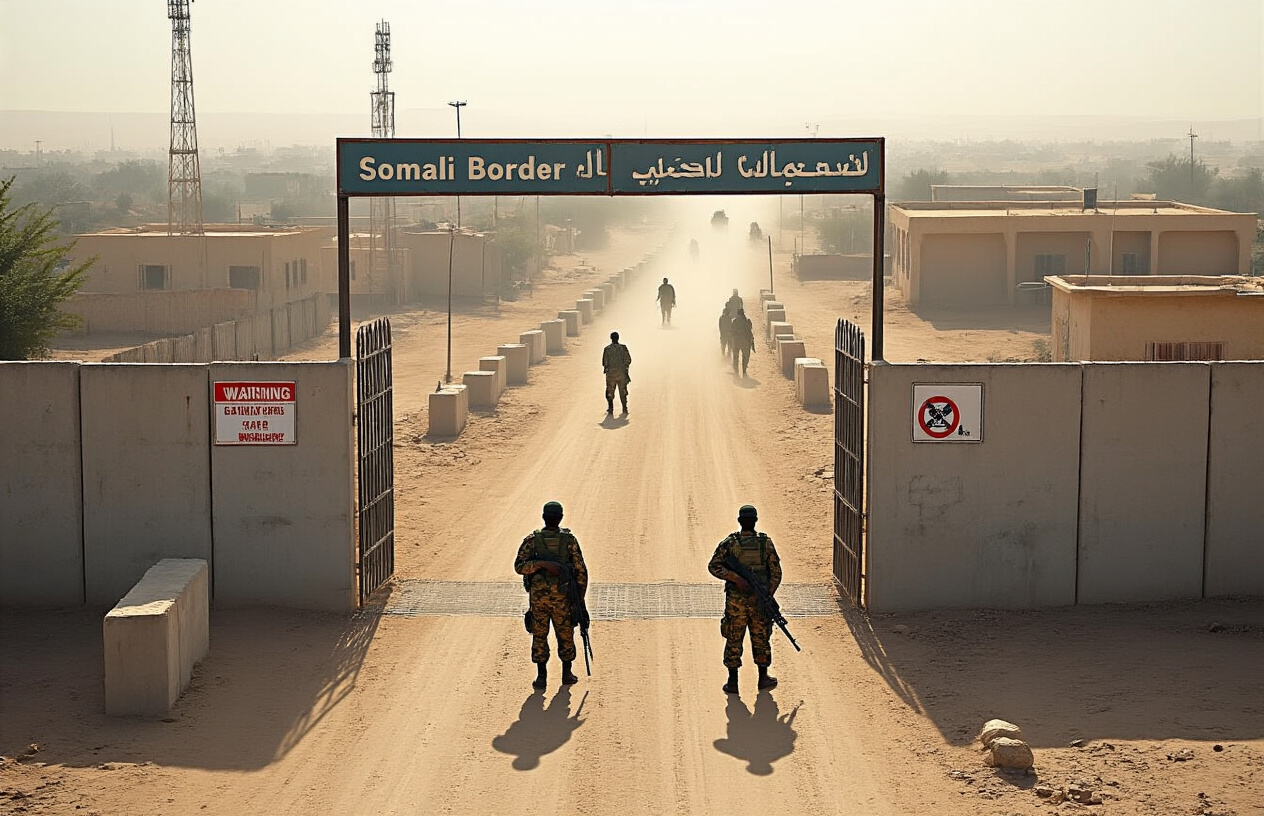
Somalia’s decision to suspend tourist visas in 2024 stems largely from persistent terrorism threats that make safe travel nearly impossible. Al-Shabaab, the country’s most active terrorist organization, continues to launch attacks against civilian targets, particularly in areas that would traditionally attract visitors. The capital city of Mogadishu, despite government efforts to improve security, remains a high-risk zone where bombings and targeted attacks occur with disturbing frequency.
Popular coastal areas along the Indian Ocean, which could potentially serve as tourist destinations, face constant threats from both land-based militants and maritime pirates operating in Somali waters. These groups specifically target foreigners and international visitors, viewing them as valuable hostages or symbols of Western influence. Recent intelligence reports indicate that terrorist cells have actively planned operations targeting hotels, restaurants, and transportation hubs that foreign visitors would likely use.
The threat level remains so severe that most international security experts classify Somalia among the world’s most dangerous destinations for civilian travel. Armed groups operate sophisticated networks that can quickly identify and track foreign nationals, making even short-term visits extremely risky. Government security forces, while making progress in some regions, lack the resources and manpower to guarantee tourist safety across the country’s vast territory.
Limited Government Control in Regions
The Somali government’s authority remains fragmented across different regions, creating a complex security landscape that makes tourist visa processing and visitor protection virtually impossible. Large swaths of the country operate under the control of various clan militias, terrorist organizations, or remain in disputed territories where government presence is minimal or non-existent.
In many rural areas and smaller cities, the federal government cannot provide basic services, let alone ensure tourist safety or maintain visa processing facilities. Regional administrations like Puntland and Somaliland operate with varying degrees of autonomy, creating confusion about which authority would be responsible for tourist oversight and emergency response.
This fragmented control means that even if tourists could enter certain government-controlled areas safely, they would face extreme risks when traveling between regions. Road networks connecting major cities often pass through territories controlled by hostile groups, making overland travel exceptionally dangerous. The government simply cannot guarantee safe passage or provide emergency assistance to tourists who might encounter problems outside the capital region.
Border control remains inconsistent across different entry points, with some areas lacking proper immigration facilities or security screening capabilities. This creates both security risks for the country and safety concerns for potential visitors who might unknowingly enter dangerous territories.
International Travel Advisory Compliance
Somalia’s tourist visa suspension aligns with unanimous international travel advisories that strongly discourage all non-essential travel to the country. Major governments including the United States, United Kingdom, Canada, and European Union nations have issued their highest-level travel warnings for Somalia, advising citizens against any travel regardless of purpose.
These advisories specifically mention the inability of foreign embassies to provide consular assistance to their citizens within Somalia due to security constraints. Most diplomatic missions operate with minimal staff and cannot conduct routine embassy services like passport replacement or emergency assistance that tourists might require. The U.S. State Department maintains no permanent diplomatic presence in Mogadishu, operating instead from neighboring countries.
International airlines have largely suspended commercial flights to Somalia, with only a few carriers providing limited service under strict security protocols. Major cruise lines and tour operators have completely removed Somalia from their itineraries, making organized tourism virtually non-existent. Travel insurance companies typically exclude Somalia from coverage or require special high-risk policies with extremely expensive premiums.
The suspension of tourist visas demonstrates Somalia’s recognition that welcoming visitors would contradict international safety recommendations and potentially create diplomatic incidents if foreign nationals were harmed. By maintaining this restriction, Somalia avoids the complex liability issues that would arise from tourist-related security incidents and shows respect for the serious concerns raised by the international community about civilian safety within its borders.
Planning Your 2024 Travel Around These Restrictions

Alternative destinations with similar attractions
Finding replacement destinations for the countries with tourist visa bans 2024 requires thoughtful planning and research. Each restricted destination offers unique experiences that can often be found elsewhere with proper exploration.
For those interested in Russia’s vast landscapes and historical architecture, consider Estonia, Latvia, and Lithuania instead. These Baltic states showcase similar Orthodox churches, Soviet-era monuments, and expansive forests without the current travel restrictions 2024. The medieval old towns of Tallinn and Riga offer comparable cultural richness to St. Petersburg’s historic districts.
Myanmar’s ancient temples and Buddhist heritage can be experienced in Cambodia, Laos, and Thailand. Angkor Wat provides an even more spectacular temple complex than Bagan, while Luang Prabang offers the same serene monastery atmosphere that draws visitors to Myanmar. These alternatives remain accessible and safe for tourists.
Afghanistan’s mountain trekking and Silk Road history find excellent substitutes in Uzbekistan, Tajikistan, and Kyrgyzstan. The Pamir Highway in Tajikistan delivers the same rugged mountain adventure, while Samarkand and Bukhara in Uzbekistan preserve the architectural wonders of the ancient trade routes.
North Korea’s unique political tourism can’t be replicated exactly, but Cuba and Vietnam offer insights into socialist societies with more accessible entry policies. These destinations provide cultural immersion without the extreme restrictions of countries closed to tourists.
Yemen’s diverse landscapes from desert to coastline exist throughout Jordan and Oman. Petra offers archaeological wonders rivaling those in Yemen, while Oman’s Wahiba Sands and coastal regions provide similar geographic diversity in a stable environment.
Somalia’s East African culture and coastline can be explored safely in Tanzania, Kenya, and Ethiopia. The Swahili coast of Tanzania offers pristine beaches and cultural heritage, while Ethiopia provides access to ancient civilizations and diverse landscapes.
Monitoring policy changes for future travel
Staying informed about visa suspension 2024 developments requires establishing reliable information sources and monitoring systems. Government websites remain the most authoritative source for travel policy updates, but their information often lags behind real-world changes.
Embassy notifications provide timely updates on policy shifts. Subscribe to embassy newsletters and follow their social media channels for countries you plan to visit. Many embassies send alerts about sudden changes in visa policies or security situations.
Travel advisory services like those from the U.S. State Department, UK Foreign Office, and similar agencies in other countries offer regular updates on international travel restrictions 2024. These services often provide earlier warnings than tourism websites about emerging issues.
Professional travel networks and industry publications frequently have insider knowledge about upcoming policy changes. Travel agents specializing in specific regions often receive advance notice of restriction modifications before public announcements.
Set up Google Alerts for terms like “countries banning tourist visas 2024” and specific country names you’re tracking. This automated system delivers news updates directly to your inbox, helping you catch policy changes quickly.
Join traveler forums and communities focused on your target destinations. Fellow travelers often share real-time experiences and policy updates that haven’t yet appeared in official channels. Reddit communities, Facebook groups, and specialized travel forums provide valuable crowd-sourced intelligence.
Travel insurance considerations for restricted regions
Travel insurance policies require careful review when dealing with tourism closure 2024 situations. Standard policies typically exclude coverage for travel to countries under official government travel advisories, making specialized insurance essential for border regions or countries with recent policy changes.
Comprehensive policies should include coverage for trip cancellation due to sudden visa policy changes. Many travelers have lost thousands of dollars when countries implemented sudden tourist entry bans without adequate insurance protection. Look for policies that specifically cover “government actions” or “policy changes” as valid cancellation reasons.
Medical evacuation coverage becomes even more critical when traveling near restricted regions. Limited diplomatic relations in countries with tourist visa bans 2024 can complicate emergency medical situations. Ensure your policy includes helicopter evacuation and medical repatriation to your home country.
Political evacuation insurance protects against sudden deterioration in security situations. This specialized coverage helps with emergency departure costs if conditions worsen rapidly in your destination or neighboring regions with travel bans by country.
Adventure travel insurance may be necessary if your alternative destinations involve higher-risk activities like mountain trekking or remote area exploration. Standard policies often exclude coverage for activities considered dangerous, even in safe countries.
Booking flexible travel arrangements
Flexibility has become essential when planning travel around restricted travel destinations. Airlines, hotels, and tour operators have adapted their policies to accommodate the uncertainty created by sudden policy changes.
Choose refundable airline tickets or those with flexible change policies. Many airlines now offer “flex fares” that allow date changes without penalties, recognizing the volatility in international travel restrictions 2024. Book directly with airlines rather than third-party sites for better modification options.
Hotel bookings should prioritize properties offering free cancellation up to 24-48 hours before arrival. Chain hotels often provide more flexible policies than independent properties. Consider booking accommodation that allows modifications rather than just cancellations.
Travel dates should include buffer time around your core travel period. This flexibility allows you to adjust plans if policy changes affect your itinerary or if alternative destinations require different timing for optimal visits.
Multi-city itineraries work better than single-destination trips when dealing with potential restrictions. Building in several countries or regions provides backup options if one destination becomes inaccessible due to sudden policy changes.
Consider travel insurance with “cancel for any reason” coverage, which provides partial reimbursement even for personal decisions to avoid newly restricted areas. While more expensive, this coverage offers maximum flexibility in uncertain times.
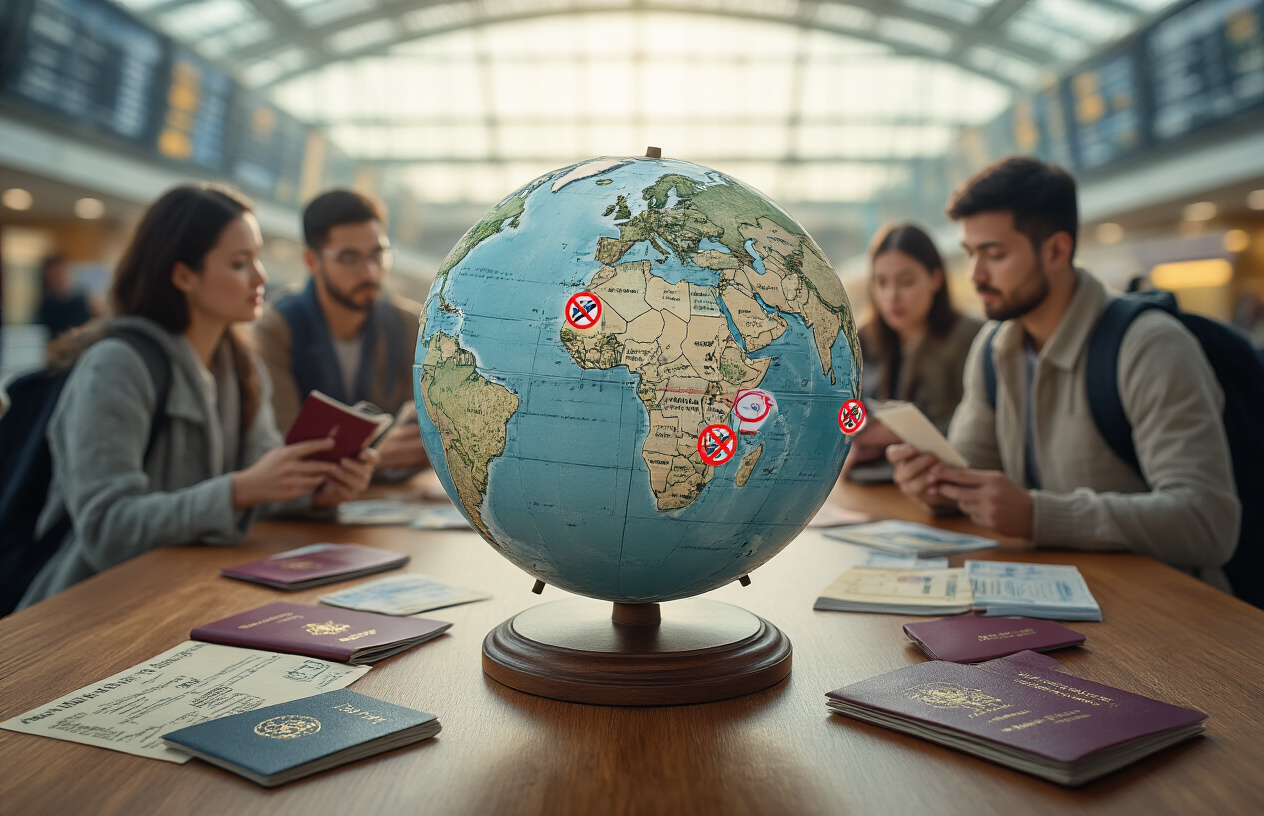
The global travel landscape has shifted dramatically this year, with seven countries implementing complete tourist visa bans due to various challenges ranging from geopolitical tensions to security concerns. Russia, Myanmar, Afghanistan, North Korea, Yemen, and Somalia have all suspended tourist entry for different reasons – some temporarily, others indefinitely. These restrictions reflect broader issues like ongoing conflicts, political instability, and infrastructure breakdowns that make safe tourism impossible.
For travelers planning their 2024 adventures, staying informed about these changing restrictions is essential. While these seven destinations are currently off-limits, there are still countless amazing places around the world waiting to be explored. Keep an eye on travel advisories and government updates, as situations can change quickly. Focus your travel plans on destinations with stable tourism policies, and consider having backup options ready in case other countries implement similar restrictions.